In rural India, a woman’s assertion of agency online often triggers rumours and digital attacks, a pattern surfaced through observations from our roundtable with women activists and paralegals.
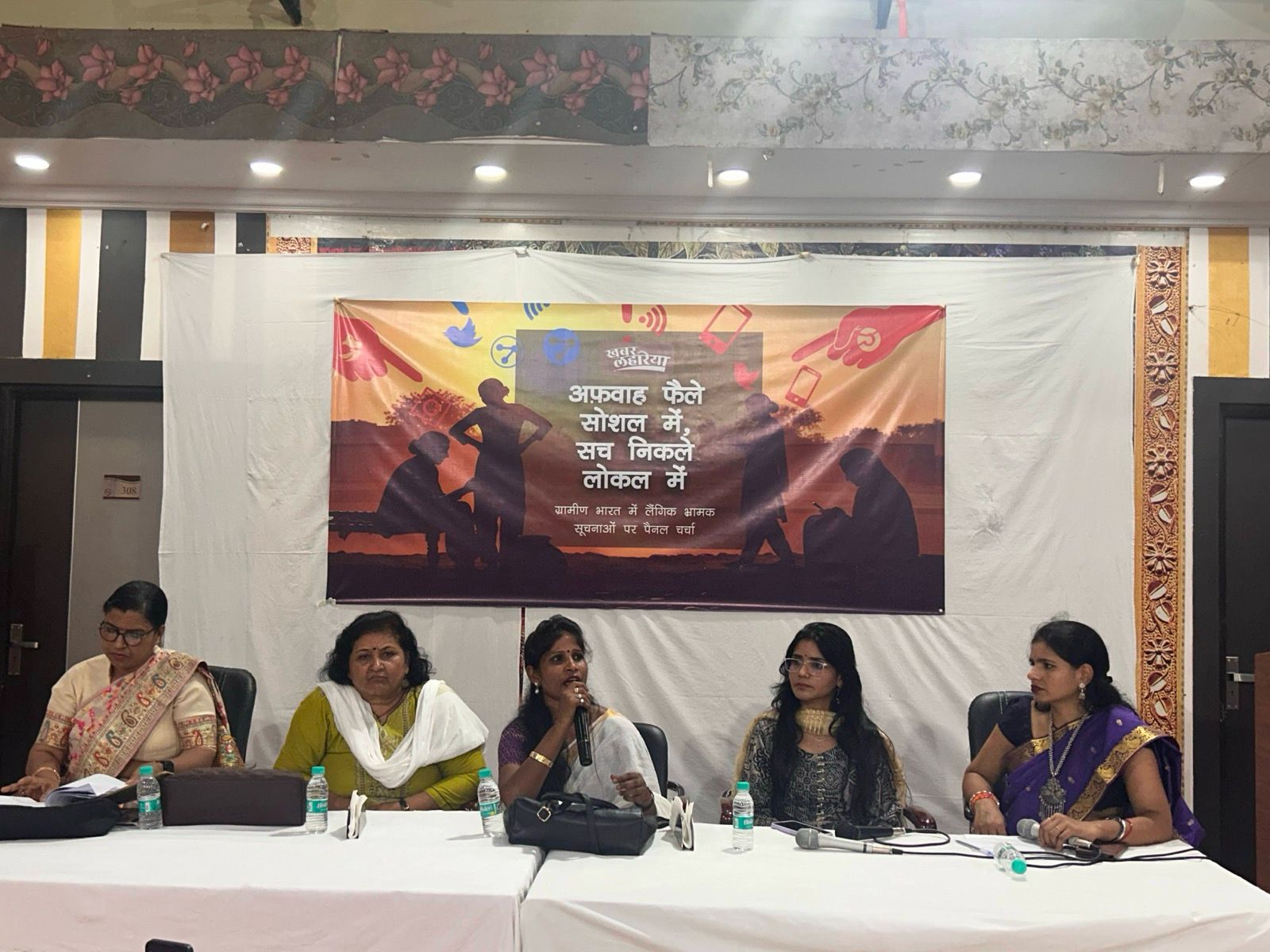
photo by Gargi
When a woman in rural India asserts her independence, whether by posting an opinion online, refusing a marriage proposal, or helping another woman seek justice, the backlash often arrives swiftly. Not through direct confrontation, but through rumour. Lies circulate on WhatsApp groups. Fake profiles appear in her name. Morphed photos spread like wildfire. Before she can respond, the damage is done: her reputation questioned, her freedom curtailed, and her digital presence erased.
These were the stories shared during our roundtable on gendered disinformation with women activists, paralegals, and community workers who have been confronting gender-based disinformation in rural India. The discussion explored how disinformation has become a modern tool of silencing, one that reinforces patriarchal control through pixels and posts.
The Pattern of Silencing
Across rural India, women who dare to speak publicly, especially online, find themselves targeted through systematic disinformation campaigns. The panel described a clear pattern: women who reject romantic advances, question authority, or mobilise others are often attacked through fabricated stories and doctored visuals.
Meena Devi from Sahjani Shiksha Kendra explained how in rural India, when women voice their opinions openly on social media, it unsettles the patriarchal order. Men often attempt to suppress them through abusive and demeaning comments.
The pattern is disturbingly consistent. When a woman says no to a relationship, to harassment, to silence, she becomes a target. Sunita Kumari of Nyaaya explained that when a woman refuses anything whether it’s friendship, marriage, or physical demands she becomes a victim. And when women speak up or try to amplify other women’s voices, they face coordinated campaigns of gender disinformation designed to intimidate them back into silence.
When Family Becomes the Enforcer
In most instances, the first backlash comes not from strangers, but from within the home. Families and the immediate community around them are quick to believe rumours and online misinformation as truth, even when it remains unverified .
Rani Devi, a paralegal and women’s violence case worker with Vanangana, described the pressure women face: “A woman is expected to compromise. The family doesn’t want to break apart, so it’s always the woman who is told to compromise.” She emphasised that when accusations are made against a woman online, families quickly believe them without first understanding the truth.
Women are often forced to delete accounts, issue apologies, or step back from public life even when they are the victims. The weight of preserving family honour silences them long before any formal complaint can be filed.
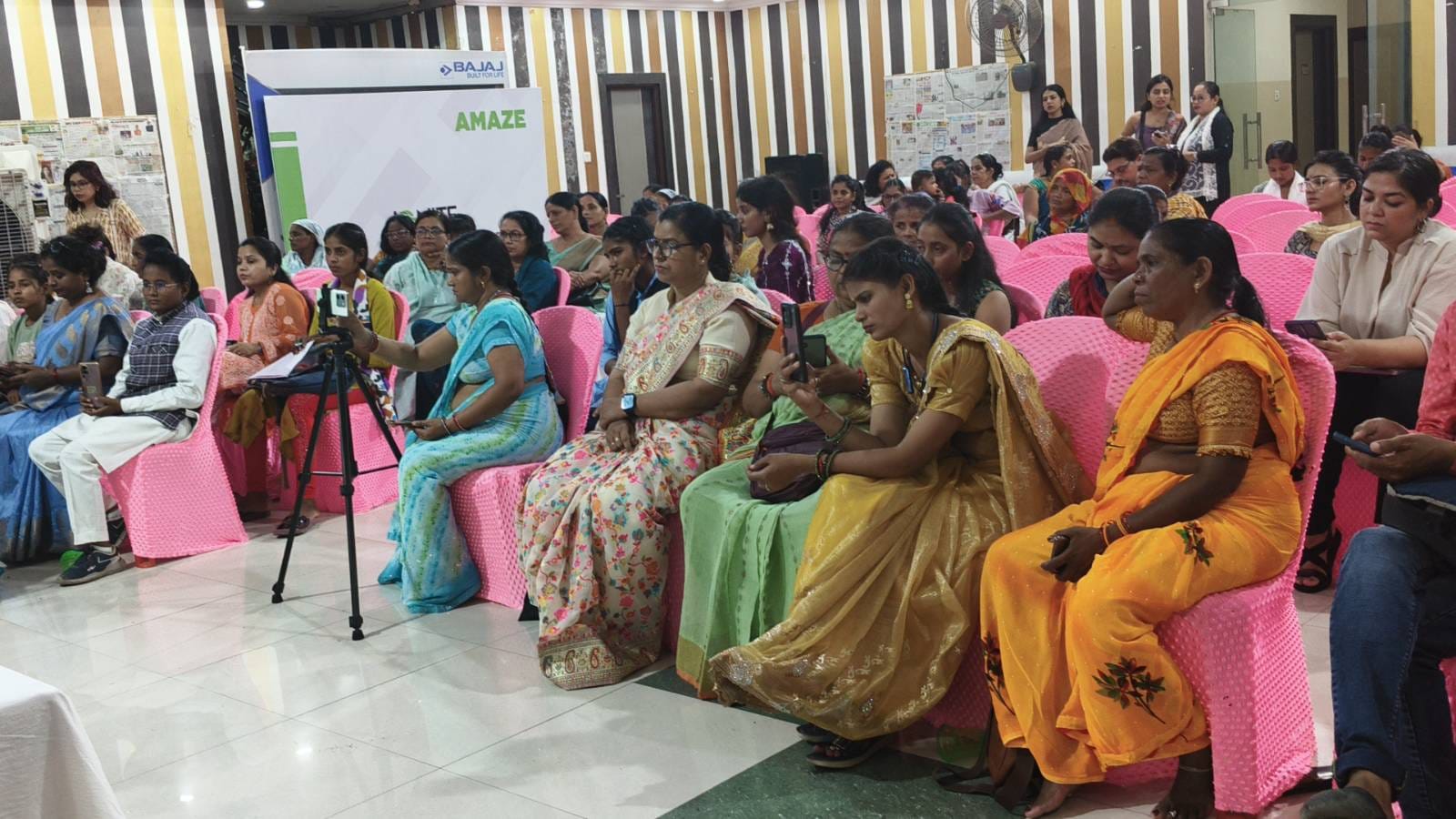
Photo By shyamkali
The Playbook of Digital Harassment
The forms of harassment are diverse but calculated. Participants listed a range of tactics used against women:
- Fake profiles created in women’s names to post obscene or misleading content
- Hacking and impersonation of real accounts
- Circulation of morphed images and doctored videos
- Spreading rumors about a woman’s relationships or character
The goal is not only to shame but to drive women out of digital spaces. Many, in response, delete their social media accounts entirely. But this ‘retreat response,’ the participants agreed, only emboldens perpetrators.
Chhaya Rajput, a helpline facilitator with Point of View and founder of a feminist organisation who is part of TechSakhi, explained the dangerous cycle: when fake accounts are created or accounts are hacked, women often shut down their real accounts and stop participating digitally. But this isn’t a solution, it only makes the perpetrator feel more powerful and their demands increase. She also pointed out that when women close their real accounts, it becomes harder to prove to platforms like Meta which account is genuine, creating additional complications.
Sunita Kumari added that social pressure builds around women who speak up, and the legal process takes far too long to provide relief.
Barriers to Justice
Even when women decide to file complaints, they face institutional resistance. Police responses often echo social biases, with questions like “You must have sent the photos” or “You went too far.” Legal processes are slow and emotionally draining, and there are no clear mechanisms for digital harassment cases, especially in rural settings.
Chhaya described how women don’t want to approach the police because they face victim-blaming questions there too. Even when willing to pursue legal action, women often don’t want their families to find out, creating a painful bind. She stressed that both the community and legal systems need significant reform.
For many, involving family or community authorities only deepens the stigma. The result is a cycle of silence, harm, retreat, and resignation repeated across villages and districts.
Reimagining Solutions: From Community to Platform
The roundtable emphasised that the fight against gender disinformation cannot rely solely on legal systems or social media platforms. It must be rooted in the community.
1. Digital Complaint Centres
Participants called for easily accessible digital complaint centres, designed in regional languages and with clear, non-technical processes. These centres should offer immediate action on takedown requests, regular updates for complainants, and swift removal of harmful content. Most importantly, complaints must be taken seriously, and women should be protected from family pressure during the process.
2. Awareness Within Families
Changing how families and communities perceive women’s digital participation is key. Participants suggested awareness drives to teach verification skills and to challenge the notion that a woman’s voice online threatens family honour. Families need to be encouraged to talk directly with women and understand the truth rather than immediately believing online accusations.
3. Sensitising the Police
Regular gender-sensitisation training for law enforcement can help curb victim-blaming and streamline complaint handling. Fast-track procedures for digital harassment cases were also proposed to address the current problem of lengthy legal processes.
4. Peer Support Networks
Grassroots collectives like Tech Sakhi already provide vital support. Expanding these networks would allow more women to seek help without fear of community backlash. Building social pressure through community mobilisation can also serve as a deterrent to harassment.
5. Platform Accountability
Social media companies, participants argued, must do more to address regional language harassment and fake account activity. Faster takedown protocols and better verification systems could help women maintain a safe digital presence. Multilingual complaint mechanisms are essential for rural users.
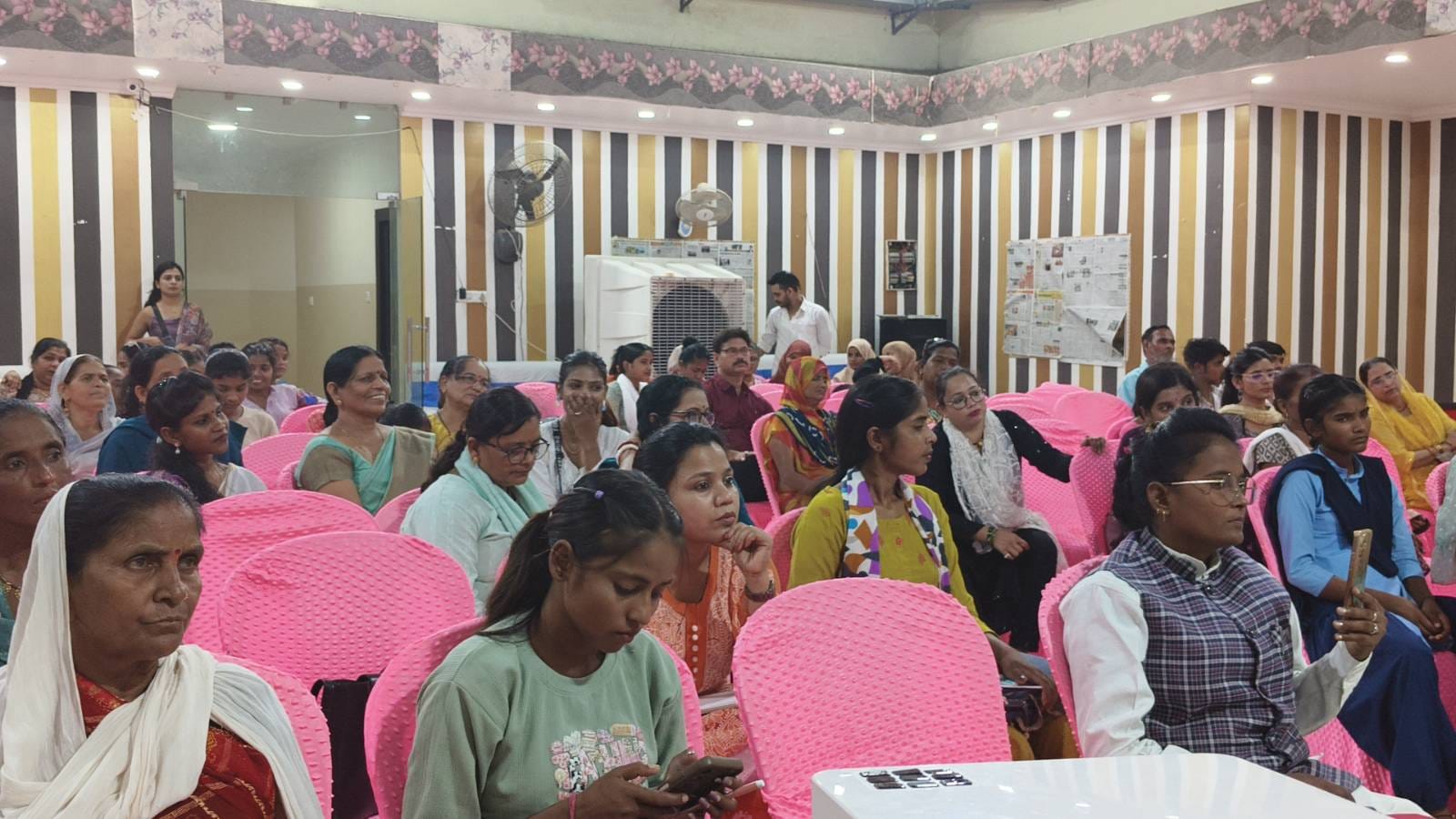
photo by shaymkali
The Core Principle
Across all discussions, one idea stood out clearly: women should not have to choose between safety and participation. The digital world, for rural women, mirrors the same power structures that shape their offline lives. Dismantling gendered disinformation isn’t just about technology, it’s about reclaiming agency from systems built to silence.
As Chhaya Rajput concluded, “We keep teaching women how to stay safe online. It’s time we teach society to stop attacking them.”
Credits:
Written by: Sejal
Report: Suchitra
Edit: Srishti
Photos by: Gargi Yadav and Shyamkali