2025 arrived before we could even brace ourselves.
We learned, once again, how decisions made far away can shake a small, hyperlocal newsroom like ours. A major project we were counting on disappeared within a week because of changes happening in the West. It hit us hard.
And just as we were steadying ourselves, AI swept across the media world. It didn’t just change how content is made. It changed how we think, plan, and dream as reporters and storytellers.
From our reporting diaries, many stories still sit heavy: covering the Mahakumbh in Allahabad was one of the many. We saw injustice and inequality, how messy politics pushed ordinary people into danger, often without them even knowing. Toilets built right on the banks, a whole marketplace of religious contractors and influencers, fires, stampedes, hundreds of deaths—numbers that never saw the light of day. Our reporters who witnessed them on ground were even forced to delete footage inside hospitals. That memory hasn’t left us.
Back home in Bundelkhand, things were no easier. This year brought extreme heatwaves and devastating floods- two sides of the same climate crisis. Women, farmers, brick kiln workers, and entire villages went through horrors that national media barely touched. We listened to girls and women stranded by rising water, and we carried their voices to the administration. Many times, our team had to risk their own safety just to tell these stories.
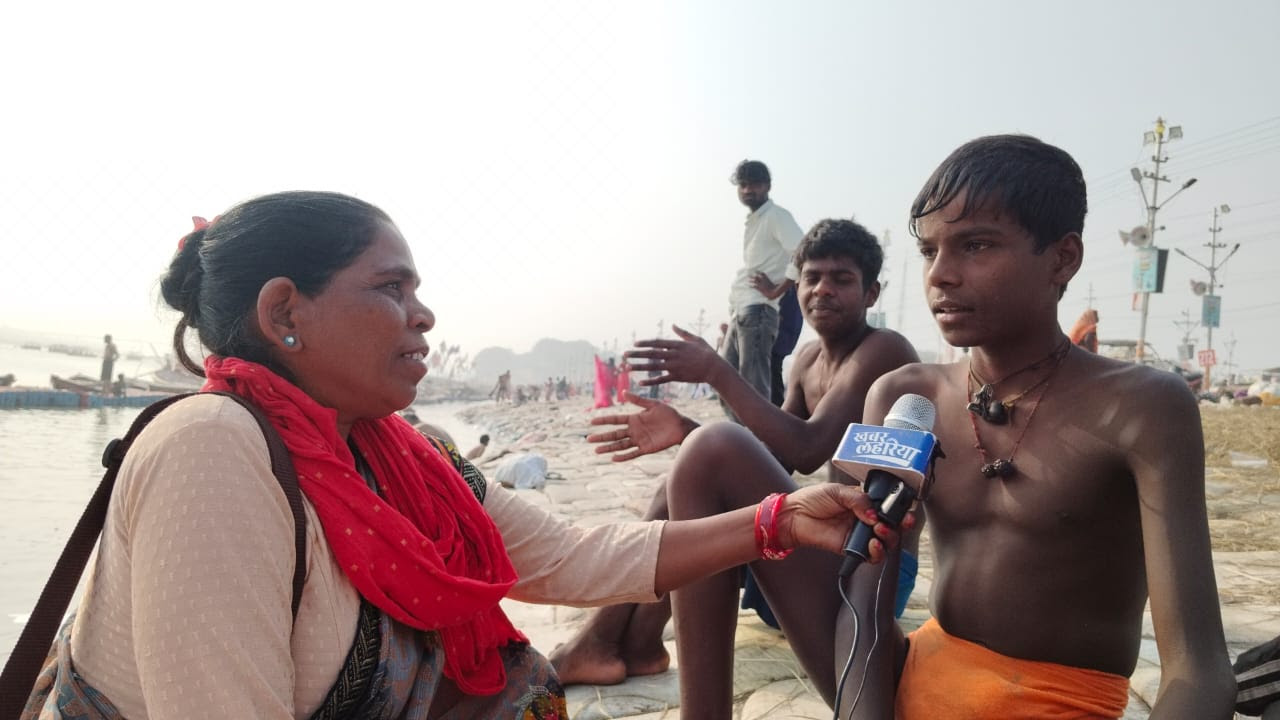
Our Reporter Shiv Devi covering stories that matter
Here’s the thing.
Every setback pushed us deeper into the work we believe in. This is the journey of Khabar Lahariya for more than 23 years… holding the line when things get tough.
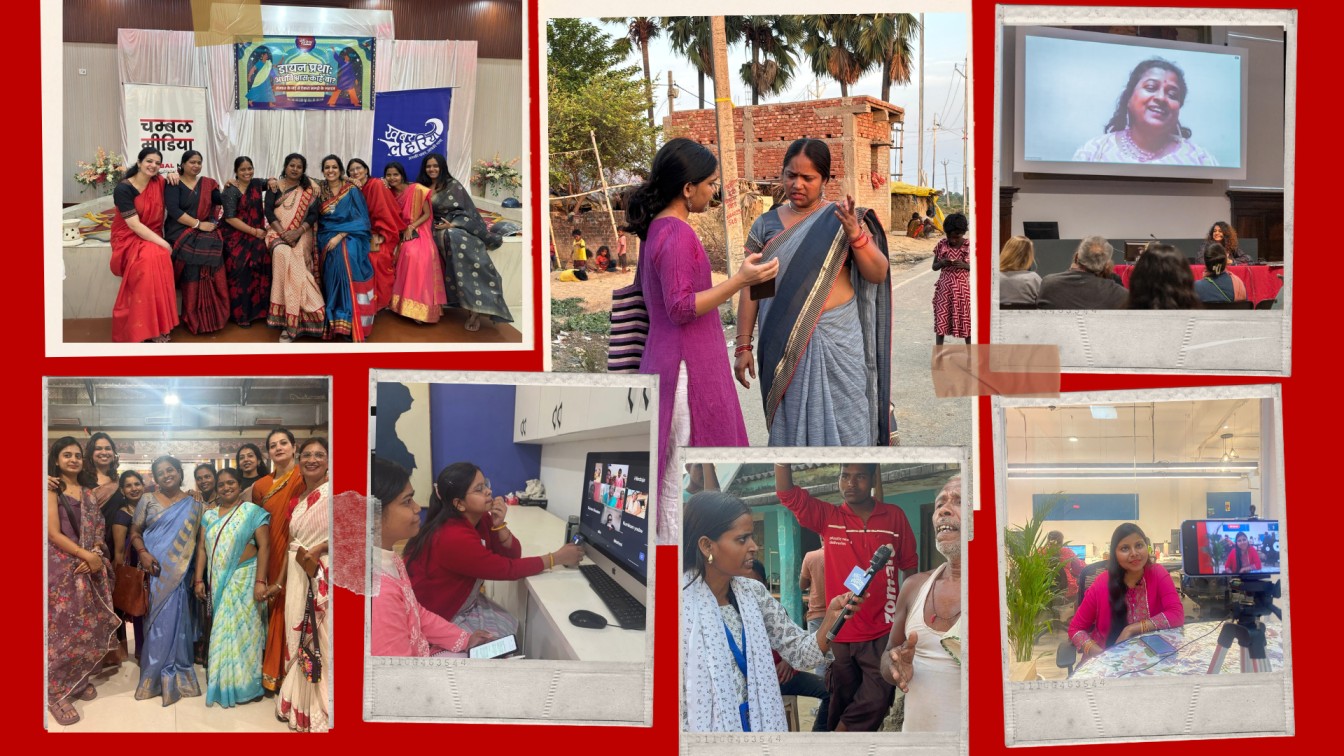
We built new partnerships with people who value rural voices as fiercely as we do. Our work on gendered disinformation grew into something bigger- archiving, documenting, and building narratives. We held roundtables across regions: on witch-hunting in Bihar, on misinformation in rural India, on the stories that rarely leave small towns.
We challenged waves of rumours in Bundelkhand about mysterious women-thieves gangs and drone sightings. And uncovered just how much fear they were spreading led to deaths and indirect impacts on youth and education.
This year also pulled us into new creative directions.
Khabar Lahariya launched a podcast. We covered elections in Bihar from a caste and gender lens. And as always, Nazni kept her nariwadi chashma sharp, and Kanchan, our Chattisgarh reporter, made sure queer voices are never missed.
Our Udaan fellows are in the field right now after an intense climate reporting training. They began last year as first-time mobile users—young girls from brick kilns learning journalism for the first time. Today, they’re bringing back stories on climate that matter to them and their communities. Their work will soon become an interactive multimedia project we’re excited about. Follow Chambal Academy if you want to see it unfold.
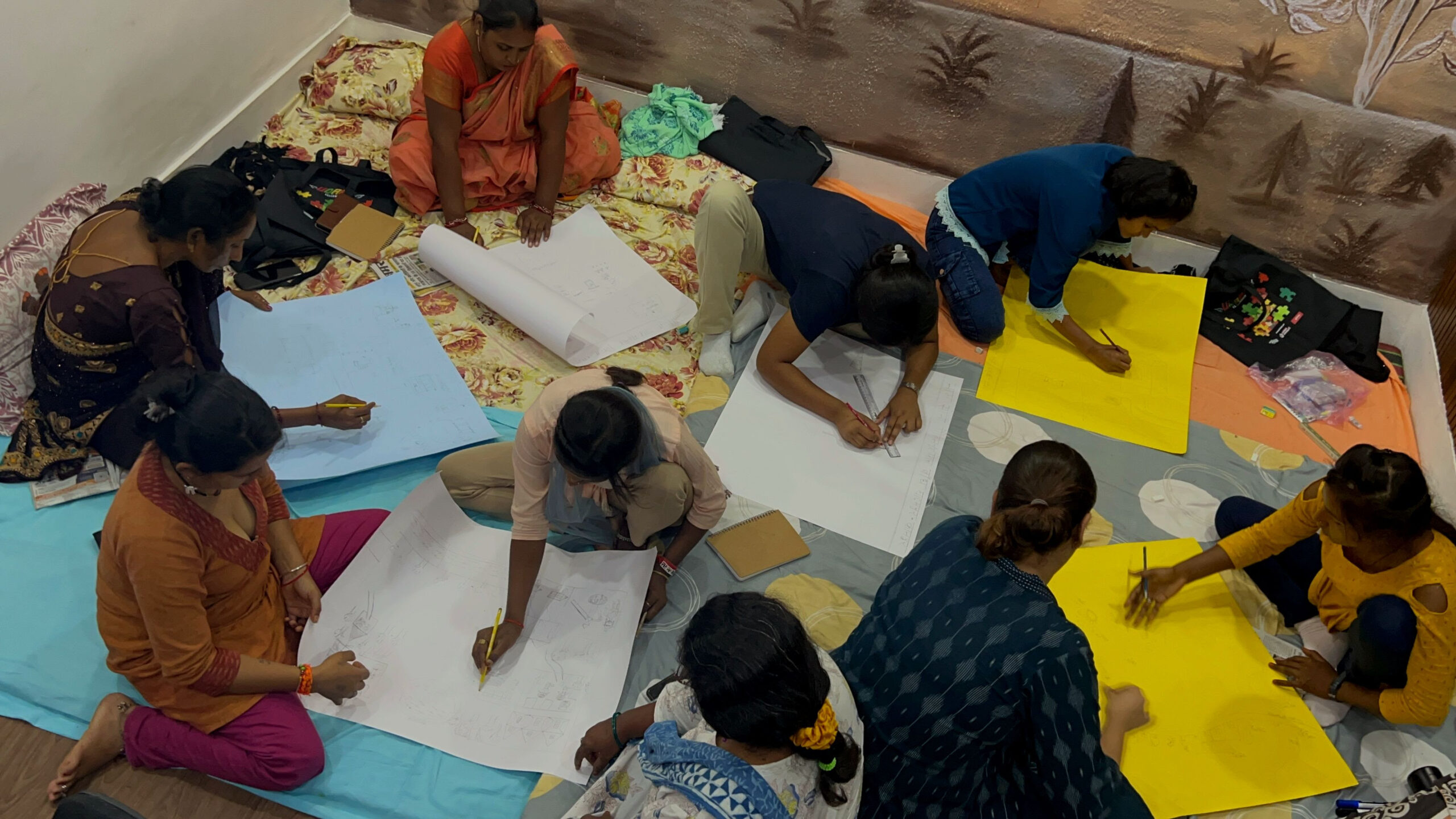
Mapping Activity with Udaan Fellows
Our alumni made us proud, too. Suman, who leads our Bihar team, spoke at Josh Talks. Others stepped up on different platforms, carrying the spirit of Chambal Academy with them.
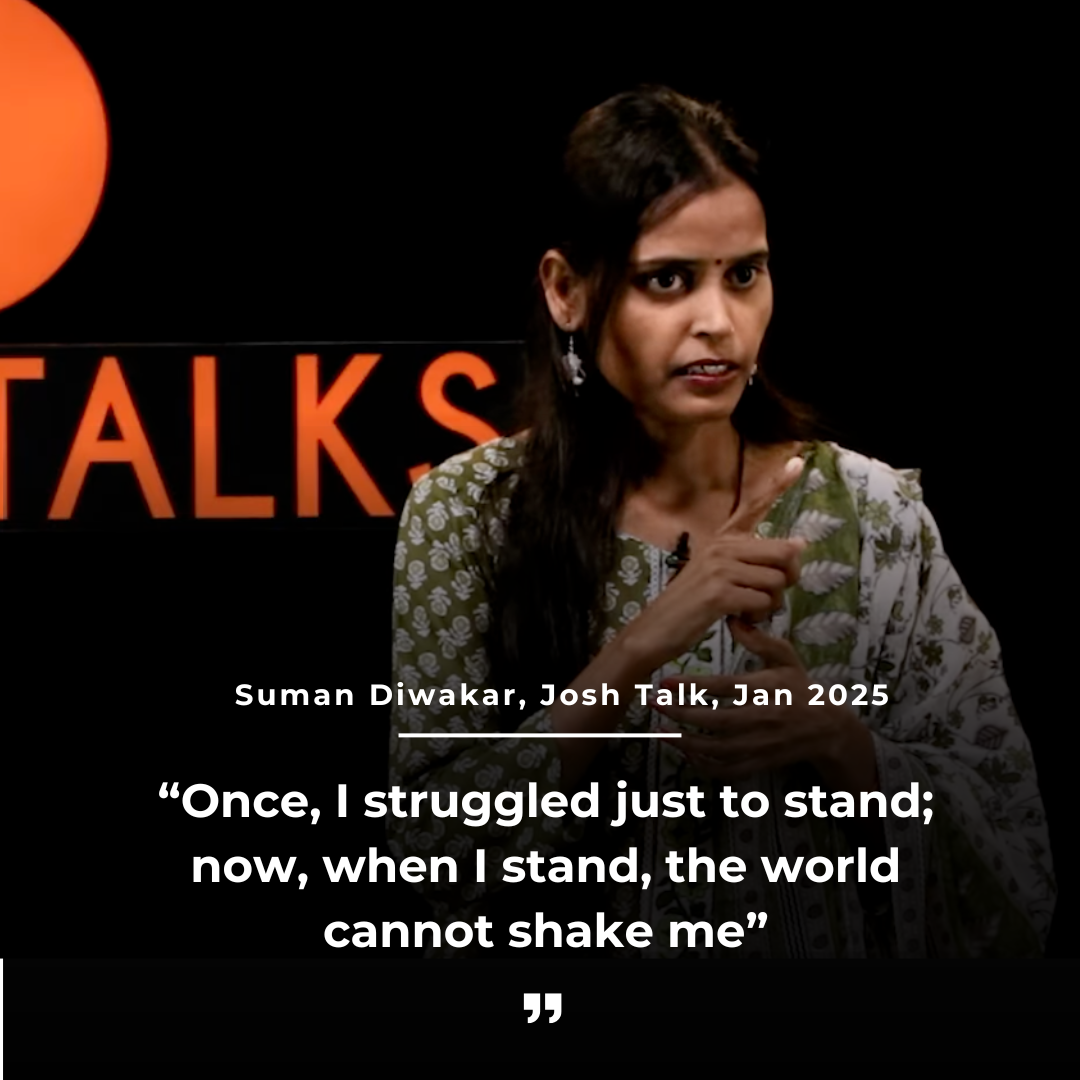
Suman, Chambal Academy’s Alumni, at Josh Talk
Chambal Media stretched its creative wings as well. We made a couple of films, including a musical experiment with the Aahvan Project. Turns out our team can sing just as well as they can report. We built a board game on online gendered disinformation with the Point of View team and joined Akshara’s Jagah Dikhao campaign. We always enjoy showing the world around their place.
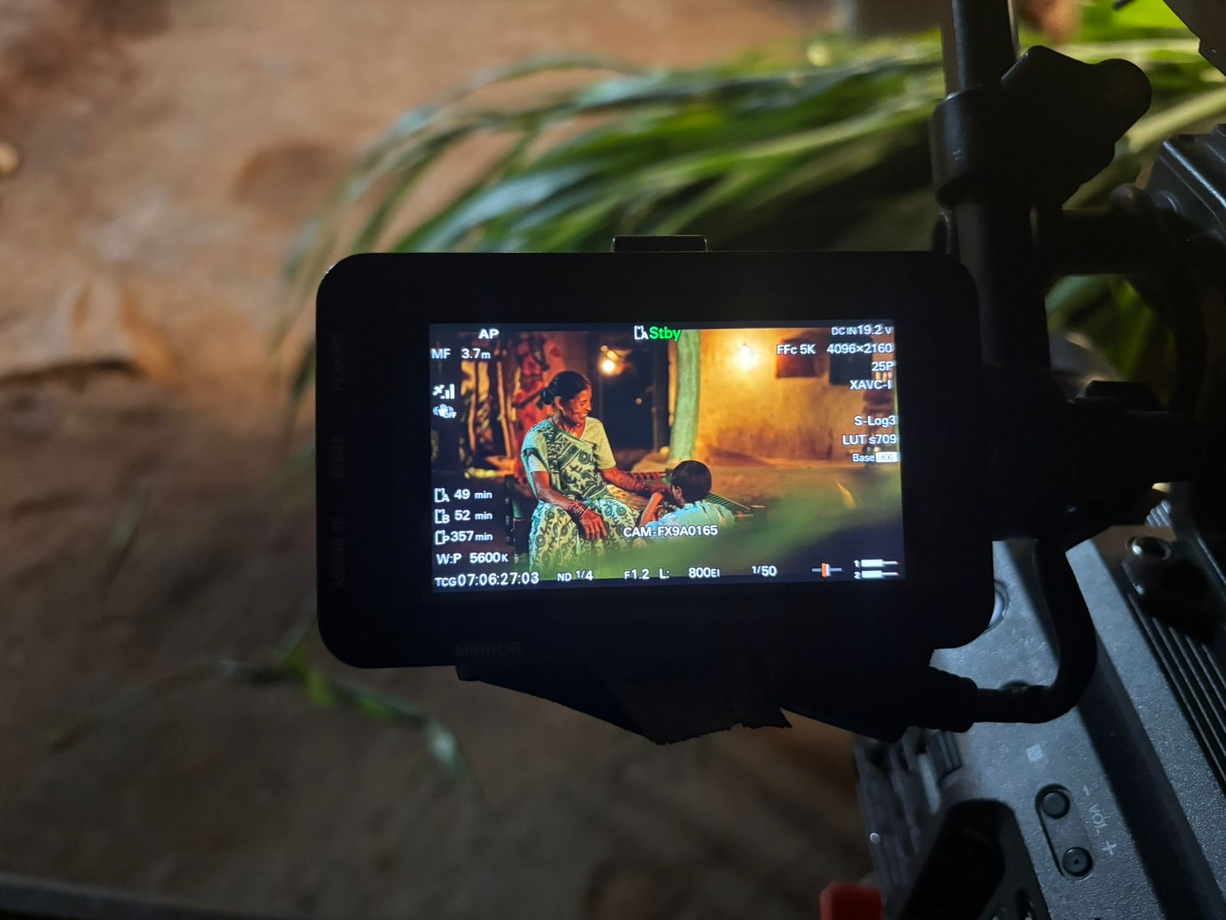
Behind The Scenes from Chambal Media’s Project with Antara Foundation
Our Hatke subscriptions found new readers, and we launched our new website with stories that show what strong hyperlocal reporting can do. If you haven’t visited it yet, take this as a gentle nudge. Start with The history of dalit bastis and their names and Journalists and journalism in small towns and rural areas – two stories close to our hearts. Your one subscription, or even a single recommendation, strengthens grassroots journalism in a way that truly matters.
And while AI became the buzz everywhere, we learned it in our own way—slow, curious, and questioning. We saw the gaps: missing dialects, stereotypes, a gaze that didn’t feel like ours.
One senior producer joked in frustration that AI doesn’t listen to us because of language and prompt barriers. Another replied that it listens better than her husband – she even shares her personal grief with AI and finds comfort there.
So the next step is straightforward: build what’s missing. If you’re an organisation exploring AI in rural India, our inbox is open.
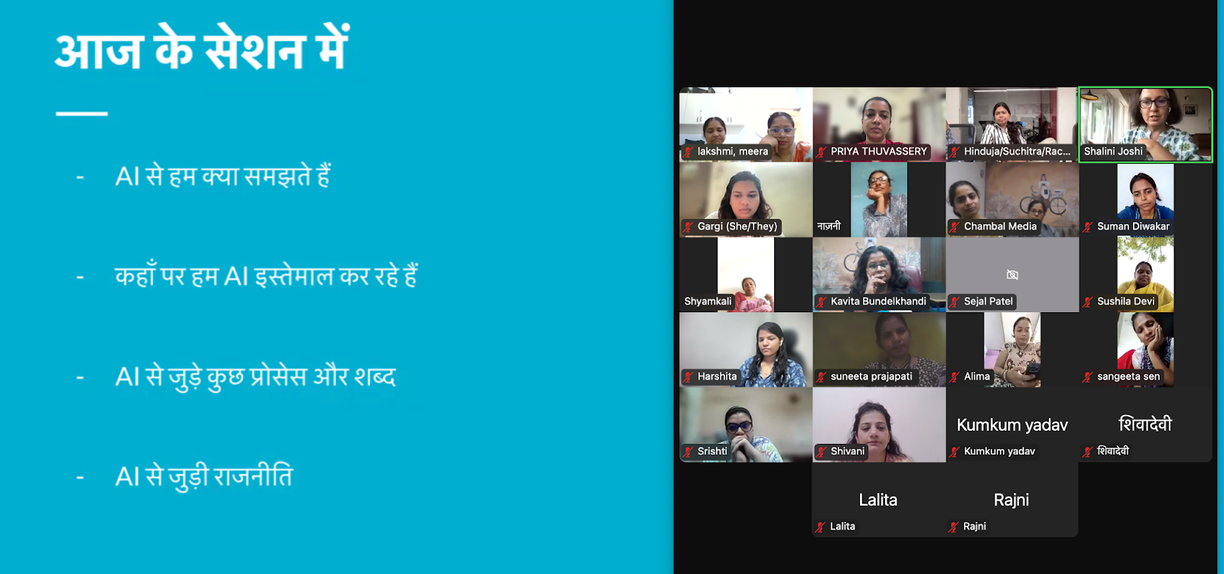
Interactive session on AI, its uses, promises and risks with the KL Team
Our biggest joy this year came from Bundelkhand. After 24 years of walking this path, Khabar Lahariya received the Banda Gaurav Samman on one of Banda’s biggest stages. The applause didn’t feel like claps alone. It felt like the land itself was acknowledging the grit, the struggle, and the stubborn hope that kept us going.
And yes, we remembered everything.
The lathis that tried to stop us.
The voices that mocked us with, “Badi aayi patrakar”.
Standing on that stage, all of it came back—and all of it felt worth it.
And finally, after years of being subjects in articles, films, and research papers for many, we picked up the pen ourselves. Our collective book is almost ready. In October, the whole team sat together and read the final draft. We laughed, we cried, and by the end, we had our title… wait for the announcements! If all goes well, the book will reach you next year in both English and Hindi. We hope it brings you closer to our journey, our friendships, and the fight that shaped us.
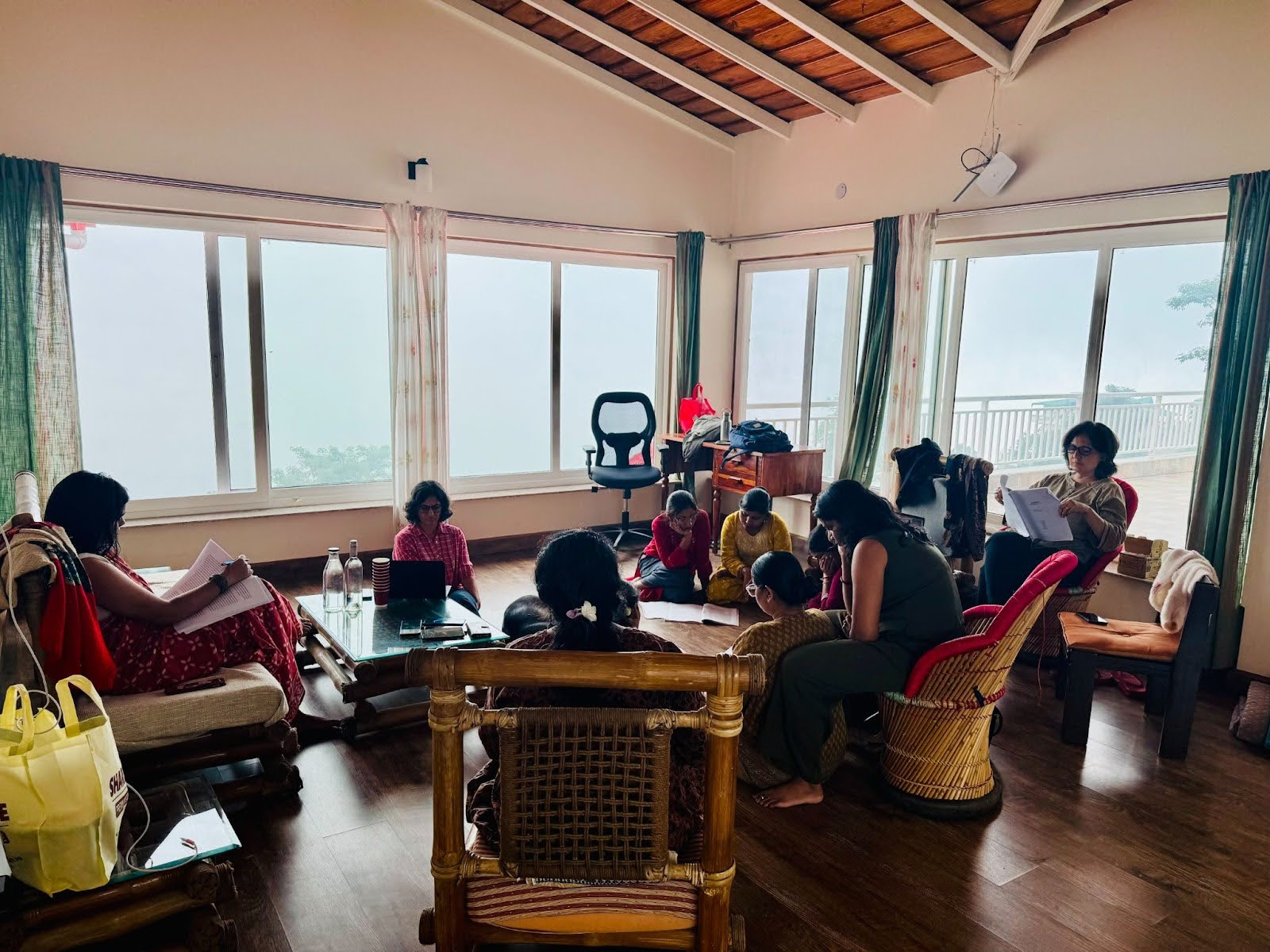
KL Final Reading of Our Book
Here’s to a year that didn’t behave the way we thought it would and to the teams, partners, and communities who helped us turn uncertainty into strength.
With love and gratitude,
The teams at Khabar Lahariya, Chambal Media, and Chambal Academy